UPI has become the backbone of digital payments in India. From buying groceries and paying rent to loan EMIs and subscriptions, millions of Indians use UPI every day. In 2026, several new UPI rules have been introduced that directly impact daily users, salaried professionals, freelancers, shop owners, and merchants.
If you use Google Pay, PhonePe, Paytm, BHIM, or any bank UPI app, this complete guide will help you understand:
- New UPI transaction limits in 2026
- KYC-related restrictions and compliance
- UPI AutoPay rules for EMIs and subscriptions
- Merchant charges and settlement changes
- How UPI changes affect loans, EMIs, and credit score
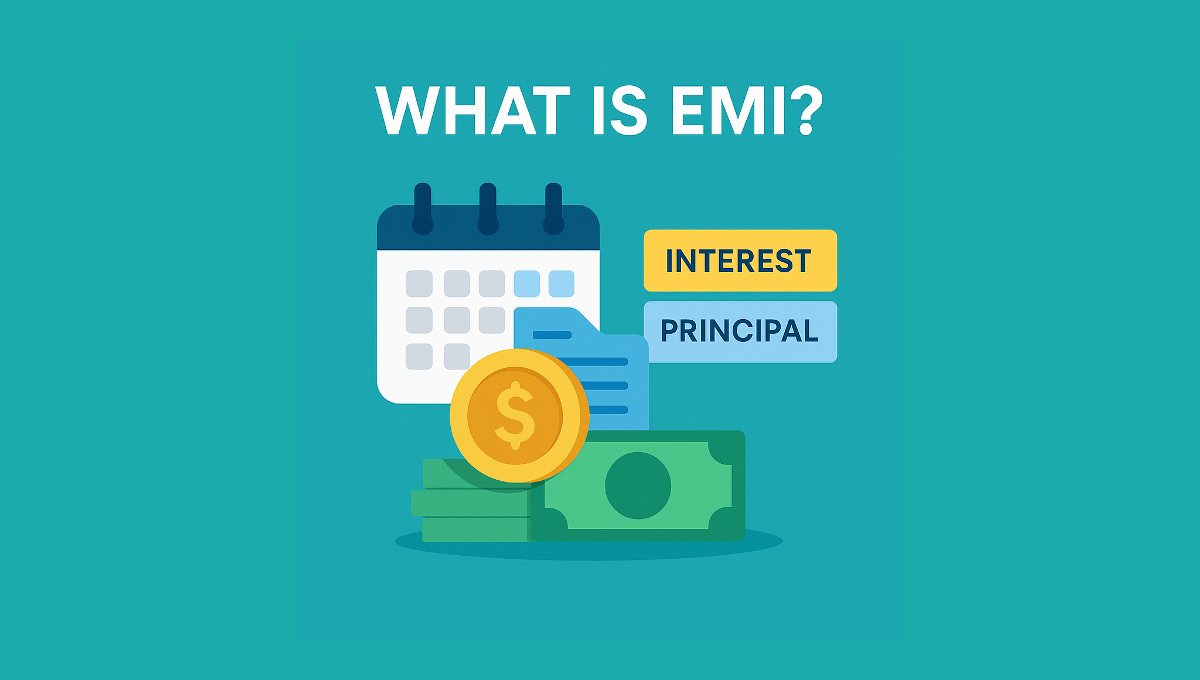
👉 If you use UPI for EMIs or bills, always calculate affordability using our EMI Calculator before enabling AutoPay.

What Is UPI and Why Are Rules Updated Frequently?
UPI (Unified Payments Interface) is a real-time payment system that allows instant bank-to-bank transfers using a mobile phone. Because UPI handles billions of transactions every month, the system must stay secure, stable, and fraud-resistant.
UPI rules are updated to:
- Prevent digital payment fraud
- Protect users and merchants
- Ensure smooth settlement and refunds
- Support high-value and recurring payments
The 2026 UPI rule updates focus on security, transparency, and better user control.
UPI New Rules 2026: Key Changes at a Glance
| Area | Earlier | New in 2026 |
|---|---|---|
| Daily Transaction Limit | Flat ₹1 lakh | Category-based limits |
| KYC Rules | Partial allowed | Strict enforcement |
| AutoPay | Optional alerts | Mandatory notifications |
| Failed Transactions | Manual follow-ups | Faster auto-reversals |
1. New UPI Transaction Limits Explained (2026)
UPI no longer follows a single transaction limit for all users. Limits now depend on usage type, risk profile, and verification level.
For Regular Users
- Daily limit remains ₹1 lakh
- Applies to peer-to-peer payments
For High-Value Payments
- Healthcare and education payments: up to ₹5 lakh
- Government and tax payments via verified merchants
For Low-KYC or New Users
- Lower transaction limits
- Restrictions on high-value payments
✅ Completing full KYC helps unlock higher limits and uninterrupted UPI usage.
2. Stricter UPI KYC Rules (Most Important Change)
One of the biggest changes in 2026 is strict KYC enforcement. UPI IDs linked to partially verified or outdated bank accounts may face restrictions.
If KYC is incomplete, you may experience:
- Reduced daily transaction limits
- AutoPay failures for EMIs
- Temporary suspension of UPI services
To stay compliant:
- Update PAN and Aadhaar with your bank
- Complete video or app-based KYC
- Avoid maintaining multiple unused UPI IDs
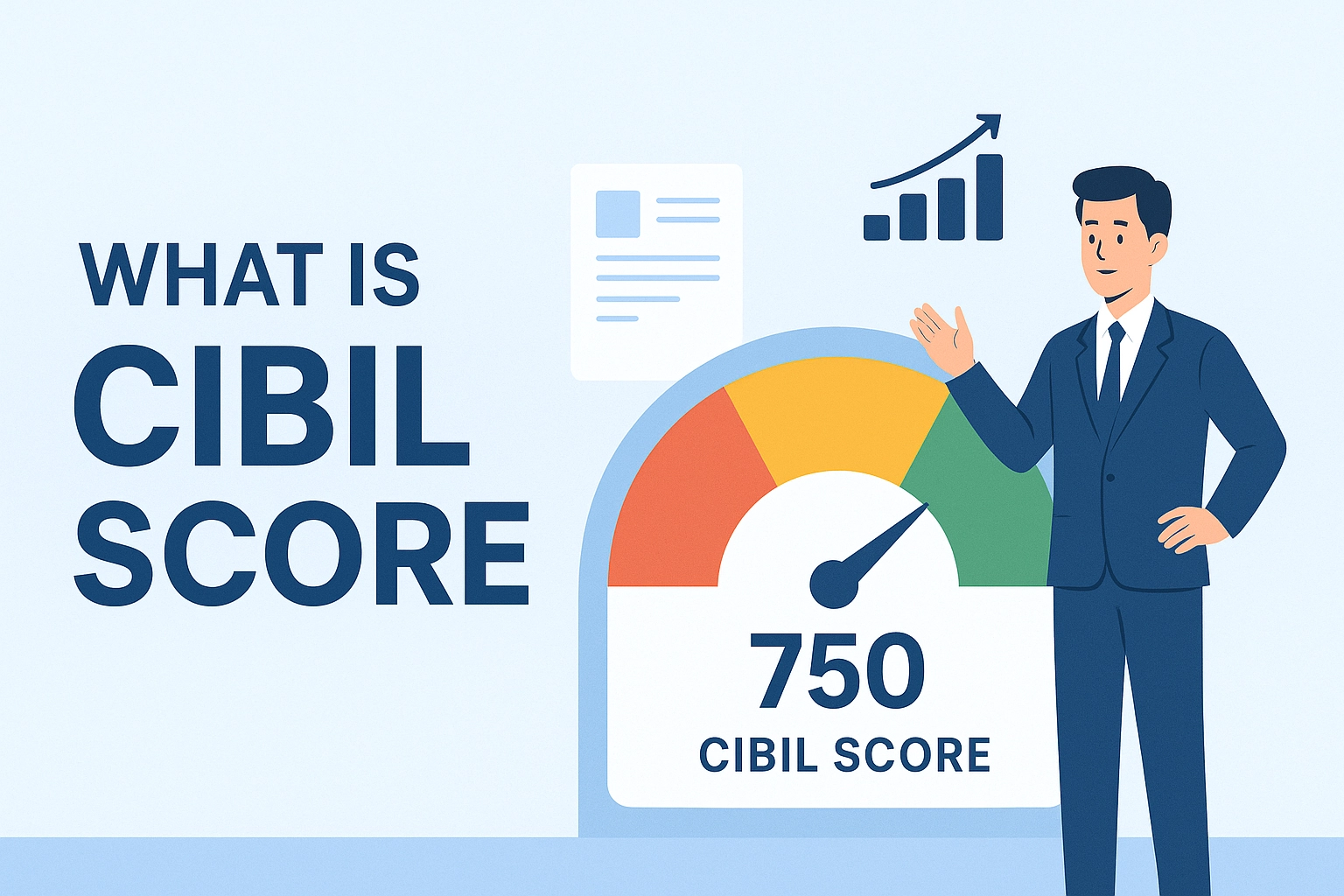
📌 KYC also improves your financial profile and supports a healthier credit (CIBIL) score.
3. UPI AutoPay Rules for EMIs and Subscriptions
UPI AutoPay is commonly used for:
- Personal loan EMIs
- Credit card bill payments
- OTT subscriptions
- Insurance premiums and SIPs
What’s New in 2026?
- Mandatory pre-debit alerts
- Clear mandate confirmation messages
- Easier pause and cancellation options
- Instant alerts on failed deductions
⚠️ Missed AutoPay EMIs can now impact your loan record faster. Always check your EMI amount using our EMI Calculator.
4. Is UPI Still Free for Users in 2026?
Yes — UPI remains free for individual users.
- No charge for sending or receiving money
- No charge for bill payments
- No monthly subscription fee
What About Merchants?
- Small merchants remain protected
- Large merchants may face selective MDR or service charges
For most users, UPI continues to be the most cost-effective payment option in India.
5. New UPI Rules for Merchants & Shop Owners
If you accept UPI payments in your business, the 2026 rules introduce new compliance requirements.
- Business KYC verification
- Updated QR code standards
- Improved settlement transparency
Settlements are now faster (T+0 or T+1), improving cash flow for small businesses.
📌 Merchants using loan-linked QR or overdraft products should understand flexi and hybrid loan structures to manage working capital efficiently.
6. Faster Refunds and Failed Transaction Handling
Earlier, failed UPI transactions often required manual complaints.
In 2026:
- Auto-reversal timelines are shorter
- Better in-app tracking is available
- Reduced dependency on customer support
Most failed transactions now reverse within hours instead of days.
7. UPI Safety and Fraud Protection Updates
UPI fraud cases have led to stronger protection mechanisms in 2026.
- Real-time scam alerts
- Risk-based transaction monitoring
- Suspicious account detection
- Improved grievance redressal
🚨 Never approve unknown collect requests. No bank or executive will ask for OTP or approval.
8. Impact of UPI Changes on Loans, EMIs & Credit Score
UPI is now deeply integrated with loan repayments and credit card payments.
Key impacts:
- Instant alerts for EMI failures
- AutoPay mandate tracking
- Faster reporting of missed payments
💡 As a rule, your total EMI should not exceed 40–50% of your monthly income. Check safely using our EMI Calculator.
If you need guidance, you can also get assistance from our finance team.
9. What Happens If You Ignore UPI New Rules?
- Lower transaction limits
- AutoPay failures
- Merchant settlement delays
- Temporary account restrictions
Most of these issues are easily avoidable with timely KYC updates and awareness.
10. Simple Checklist for UPI Users in 2026
- ✔ Complete full KYC with your bank
- ✔ Update PAN and Aadhaar
- ✔ Review AutoPay mandates
- ✔ Keep alerts enabled
- ✔ Avoid unused UPI IDs
Conclusion: Should You Worry About UPI New Rules?
The UPI new rules for 2026 are designed to make digital payments safer, faster, and more transparent. For most users, nothing breaks — but staying informed prevents disruption.
Complete your KYC, review AutoPay mandates, and use tools like our EMI Calculator to stay financially healthy.
👉 Need help choosing the right loan or EMI structure? Get assistance from TechFinserv
Ready to check pre-approved offers? Use our EMI Calculator and contact us to compare top BT deals quickly. ⚡