Top 10 Reasons Why Personal Loan Applications Get Rejected in India (2026 Guide)
Applying for a personal loan has become easier than ever. With digital KYC, instant eligibility checks, and same-day disbursals, many borrowers expect quick approval. However, thousands of personal loan applications are rejected every day because applicants fail to meet a lender's eligibility criteria.
A personal loan rejection doesn't always mean you have poor finances. Banks and NBFCs evaluate several factors before approving a loan, including your credit score, monthly income, repayment capacity, employment stability, debt obligations, and previous repayment history.
Understanding these reasons before applying can significantly improve your approval chances, reduce unnecessary hard enquiries on your credit report, and help you secure better interest rates.
In this comprehensive guide, we'll explain the top reasons why personal loan applications get rejected, how lenders assess risk, and practical steps you can take to increase your chances of getting approved.

Table of Contents
- Low CIBIL Score
- High FOIR
- Insufficient Income
- Too Many Existing Loans
- Employment Instability
- Errors in Loan Application
- Multiple Loan Applications
- Low Credit History
- Mismatch in Documents
- Bank Policy Restrictions
- How Banks Evaluate Loan Applications
- How to Improve Loan Approval Chances
- Frequently Asked Questions
Top 10 Reasons Why Personal Loan Applications Get Rejected
Most personal loan rejections happen because borrowers overlook important eligibility requirements before applying. Understanding these common reasons can help you avoid rejection and improve your approval chances.
1. Low CIBIL Score or Poor Credit History
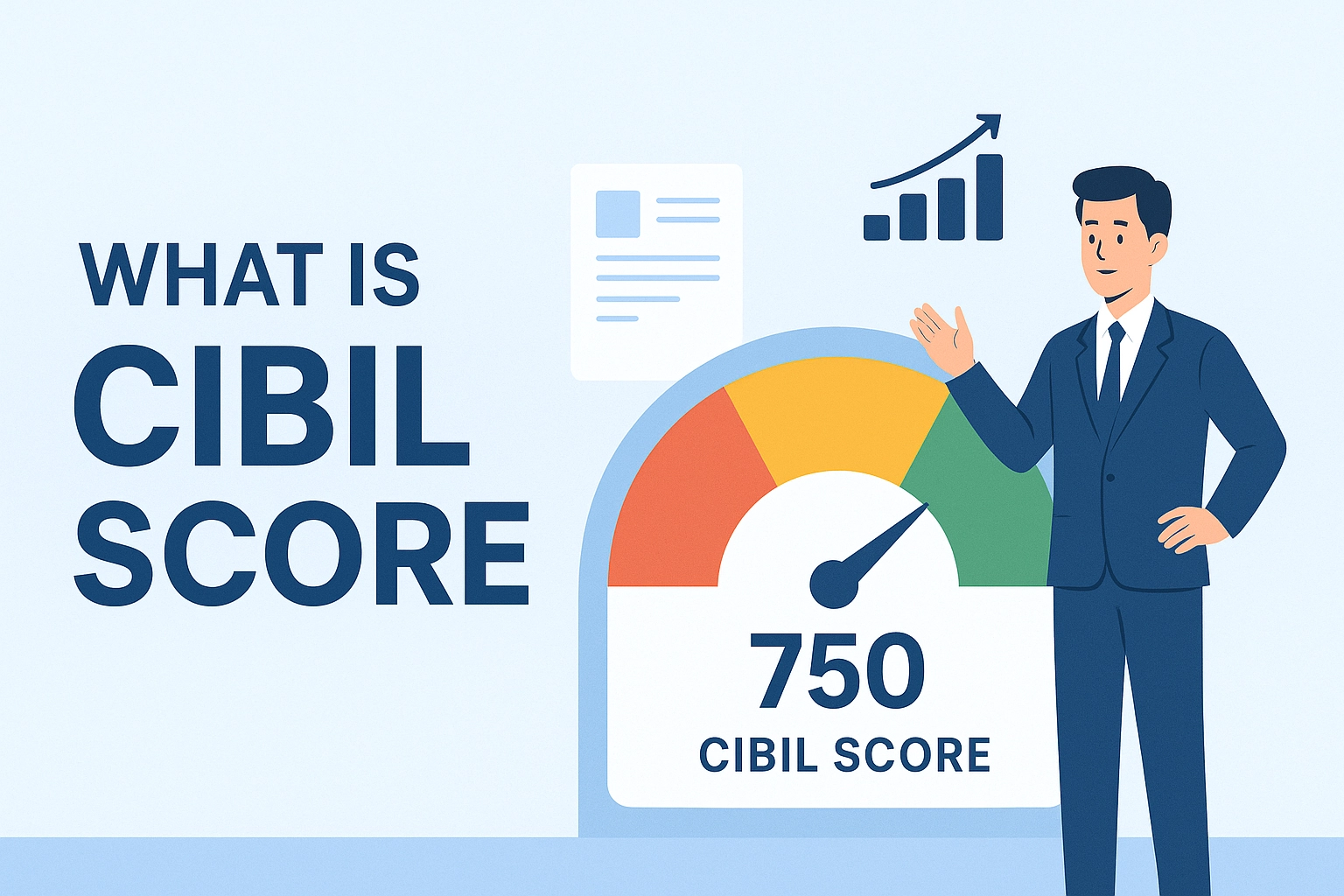
Your CIBIL score is one of the first things banks check after receiving your loan application. It reflects your repayment behaviour and helps lenders assess the risk of lending money to you.
Most banks prefer applicants with a credit score above 750. While some NBFCs may approve loans for borrowers with lower scores, the interest rate is usually higher and the approved loan amount may be lower.
A low credit score usually indicates previous financial difficulties or poor repayment discipline. Common reasons include missed EMI payments, credit card defaults, loan settlements, frequent loan enquiries, and high credit utilisation.
Common reasons your CIBIL score becomes low
- Late EMI payments
- Credit card bill defaults
- Loan settlement instead of full closure
- Using more than 30–40% of your credit limit
- Multiple loan enquiries within a short period
- Writing off loans
| CIBIL Score | Approval Chances | Risk Level |
|---|---|---|
| 800+ | Excellent | Very Low |
| 750–799 | Very Good | Low |
| 700–749 | Average | Medium |
| 650–699 | Difficult | High |
| Below 650 | Very Low | Very High |
Expert Tip: Before applying for a personal loan, check your credit report for errors. Incorrect loan reporting or delayed updates can unnecessarily reduce your score.
👉 Related Guide: What is CIBIL Score? Complete Guide
2. High FOIR (Fixed Obligation to Income Ratio)
FOIR is another major reason why banks reject personal loan applications. It measures how much of your monthly income is already committed towards existing loan repayments.
If a large portion of your salary is already being used to pay EMIs, banks assume you may struggle to repay another loan.
The formula used is:
FOIR = (Total Monthly EMIs ÷ Net Monthly Income) × 100
Example
- Monthly Salary = ₹60,000
- Current EMIs = ₹38,000
FOIR = 63%
Although some lenders allow FOIR up to 70%, many banks prefer applicants below 50–60%, especially for unsecured personal loans.
| FOIR | Loan Approval |
|---|---|
| Below 40% | Excellent |
| 40%–50% | Good |
| 50%–65% | Average |
| Above 65% | High Rejection Risk |
To improve your FOIR before applying:
- Close small personal loans
- Pay off credit card dues
- Avoid buying products on EMI
- Increase your monthly income if possible
- Add a co-applicant where permitted
👉 Learn More: FOIR Explained: How Banks Calculate Loan Eligibility
3. Insufficient Monthly Income
Every bank specifies a minimum monthly income requirement based on the applicant's city, employer category, and loan amount requested.
For example, if your salary is ₹22,000 but you apply for a ₹20 lakh personal loan, the lender may reject the application because your repayment capacity doesn't match the requested amount.
Banks don't approve loans simply because an applicant has a job. They evaluate whether the borrower can comfortably pay the EMI after meeting household expenses.
Income factors banks consider
- Net monthly salary
- Employer category
- Job stability
- Future repayment capacity
- Existing obligations
- Annual income growth
Higher salaries usually qualify for:
- Higher loan amount
- Lower interest rates
- Longer repayment tenure
- Faster approvals
4. Too Many Existing Loans
Having multiple active loans is another major reason why banks reject personal loan applications.
Even if you repay all EMIs on time, lenders become cautious when they see several active loans because your financial obligations are already high.
For example:
- Home Loan
- Car Loan
- Two Personal Loans
- Consumer Durable EMI
- Credit Card EMI
- Buy Now Pay Later (BNPL)
Although each EMI may appear manageable individually, together they significantly increase your repayment burden.
Banks usually evaluate both:
- Total outstanding loan amount
- Total monthly EMI commitment
Applicants with fewer active loans generally have a much better chance of approval.
5. Unstable Employment or Frequent Job Changes
Banks prefer applicants with a stable source of income. If you've changed jobs multiple times in the last one or two years, lenders may consider your income unstable and reject your application.
Most banks require salaried applicants to have:
- At least 6 months with the current employer
- 1–2 years of total work experience
- Regular salary credits in the bank account
For self-employed applicants, lenders generally expect:
- Business continuity of at least 2–3 years
- Consistent income
- Stable GST or ITR records
Why employment stability matters
- Shows consistent income
- Reduces repayment risk
- Improves confidence in long-term repayment ability
- Increases eligibility for higher loan amounts
Expert Tip: If you've recently switched jobs, consider waiting until you've completed your probation period before applying for a personal loan.
6. Incorrect or Incomplete Loan Application
Many loan applications are rejected simply because applicants make mistakes while filling out the form.
Even small errors can delay verification or result in outright rejection.
Common application mistakes
- Wrong mobile number
- Incorrect PAN or Aadhaar number
- Salary mismatch
- Incorrect employer details
- Missing address information
- Typing errors in income details
- Incomplete bank account information
Banks verify every detail through KYC documents, employer verification, income proof, and credit bureau records. Any mismatch raises concerns about the authenticity of the application.
| Application Error | Possible Impact |
|---|---|
| Wrong PAN Number | KYC Failure |
| Salary mismatch | Income verification failure |
| Incorrect employer | Employment verification issue |
| Address mismatch | Additional verification |
| Missing documents | Application rejection |
7. Applying to Multiple Banks at the Same Time
Many borrowers believe applying to several banks increases their chances of approval. In reality, it often has the opposite effect.
Every loan application usually creates a hard enquiry on your credit report. Multiple enquiries within a short period suggest that you urgently need funds or that other lenders have declined your application.
This may reduce your credit score and increase the perceived lending risk.
Best Practice
- Check your eligibility first.
- Compare interest rates.
- Apply only with lenders where you meet the eligibility criteria.
- Avoid submitting multiple applications within a few weeks.
A single well-planned application has a much higher success rate than applying everywhere at once.
8. Limited or No Credit History
A person with no credit history may also face rejection.
While having no loans may seem like a positive thing, banks have no previous repayment record to evaluate your financial discipline.
This is commonly known as being a New-to-Credit (NTC) applicant.
How to build a credit history
- Use a credit card responsibly.
- Pay every EMI before the due date.
- Maintain low credit utilisation.
- Avoid unnecessary loan enquiries.
A healthy repayment history over several months can significantly improve future loan approvals.
9. Document Verification Failure
Document verification is one of the final stages of loan processing. If the submitted documents don't match the information provided in the application, the bank may reject the request.
Documents commonly verified
- PAN Card
- Aadhaar Card
- Salary Slips
- Bank Statements
- Income Tax Returns
- Address Proof
- Employment Proof
Common reasons for verification failure include:
- Edited salary slips
- Fake employment documents
- Different signatures
- Name mismatch across documents
- Invalid address proof
Always submit genuine and updated documents to avoid unnecessary delays or rejection.
10. Bank-Specific Internal Policies
Sometimes your application may be rejected even if you satisfy the general eligibility requirements.
This happens because every bank has its own internal credit policy that isn't publicly disclosed.
Examples of internal policies
- Minimum salary requirement
- Employer category restrictions
- Industry risk classification
- Location eligibility
- Maximum loan exposure limits
- Existing relationship with the bank
For example, one bank may approve applicants working for a startup, while another may approve loans only for employees of listed companies or government organizations.
Similarly, some lenders avoid financing applicants from specific industries or geographical locations based on their internal risk assessment.
| Reason for Rejection | Can It Be Improved? |
|---|---|
| Low CIBIL Score | ✔ Yes |
| High FOIR | ✔ Yes |
| Low Income | ✔ Partially |
| Too Many Existing Loans | ✔ Yes |
| Employment Instability | ✔ Yes |
| Incorrect Application | ✔ Yes |
| Multiple Loan Enquiries | ✔ Yes |
| No Credit History | ✔ Yes |
| Document Verification Failure | ✔ Yes |
| Internal Bank Policy | ❌ Apply with another lender |
The good news is that most personal loan rejections are avoidable. By improving your credit profile, reducing existing liabilities, maintaining accurate documentation, and applying with the right lender, you can significantly increase your approval chances.
How Banks Evaluate a Personal Loan Application
Many borrowers believe banks approve loans based only on salary or CIBIL score. In reality, lenders use multiple checks to determine whether an applicant can comfortably repay the loan without financial stress.
Understanding this evaluation process helps you prepare a stronger application and significantly improves your chances of approval.
Step 1: Identity & KYC Verification
The first step is verifying your identity using official KYC documents.
Banks typically verify:
- PAN Card
- Aadhaar Card
- Passport (where applicable)
- Driving Licence
- Voter ID
Any mismatch in your name, date of birth, address, or PAN details may delay or even reject your application.
Step 2: Income Verification
After identity verification, lenders verify whether your declared income matches your actual earnings.
For Salaried Applicants
- Latest salary slips
- Salary account statements
- Employer verification
- Form 16 (if required)
For Self-Employed Applicants
- Income Tax Returns (ITR)
- GST Returns
- Business Bank Statements
- Profit & Loss Statement
- Business Continuity Proof
Banks also evaluate whether your income has remained stable over time.
Step 3: Credit Bureau Check
Banks obtain your credit report from credit bureaus to understand your repayment history.
They review:
- CIBIL Score
- Past loan repayment history
- Credit card usage
- Loan enquiries
- Settled or written-off accounts
- Current outstanding loans
A good credit history demonstrates responsible borrowing behaviour and increases approval chances.
👉 Related Article: Complete Guide to CIBIL Score
Step 4: FOIR Calculation
Next, banks calculate your Fixed Obligation to Income Ratio (FOIR) to determine whether you can comfortably manage another EMI.
Applicants with lower FOIR generally qualify for:
- Higher loan amounts
- Lower interest rates
- Faster approvals
👉 Learn More: FOIR Explained
Step 5: Employment & Employer Verification
Banks verify whether you work for a genuine organization and whether your employment is stable.
Some lenders even maintain internal employer rankings.
Applicants working with reputed companies often receive:
- Higher eligibility
- Lower interest rates
- Instant approvals
Step 6: Final Risk Assessment
Finally, all information is combined into a risk profile.
| Evaluation Factor | Importance |
|---|---|
| CIBIL Score | ★★★★★ |
| Income Stability | ★★★★★ |
| FOIR | ★★★★★ |
| Employment History | ★★★★☆ |
| Existing Loans | ★★★★☆ |
| Documentation | ★★★★☆ |
| Employer Category | ★★★☆☆ |
10 Ways to Improve Your Personal Loan Approval Chances
If your previous application was rejected, don't worry. Most borrowers can improve their eligibility by making a few financial improvements before reapplying.
- Improve your CIBIL score above 750.
- Pay all EMIs and credit card bills on time.
- Reduce your credit card utilisation below 30%.
- Close unnecessary personal loans.
- Avoid applying to multiple banks simultaneously.
- Check your credit report for errors.
- Submit accurate income and employment details.
- Maintain a stable job before applying.
- Apply only for the loan amount you actually qualify for.
- Take professional guidance if you're unsure about eligibility.
Personal Loan Approval Checklist
| Checklist | Status |
|---|---|
| CIBIL Score above 750 | ✅ |
| Stable Income | ✅ |
| FOIR below 50% | ✅ |
| No Recent Loan Enquiries | ✅ |
| Correct Documents | ✅ |
| Employment Stable | ✅ |
| Accurate Application Form | ✅ |
Final Thoughts
A personal loan rejection doesn't necessarily mean you'll never qualify for a loan. It simply indicates that one or more eligibility criteria weren't met at the time of application.
By improving your credit score, reducing existing financial obligations, maintaining stable employment, and applying with the right lender, you can significantly improve your chances of approval.
Instead of applying blindly to multiple banks, understand your eligibility first and choose the lender that best matches your financial profile.
Need Help Getting Your Personal Loan Approved?
At TechFinserv, we help salaried and self-employed individuals compare multiple banks and NBFCs, check eligibility, improve approval chances, and find the most suitable personal loan offers.
📣 Share this article: Facebook • X • LinkedIn
Frequently Asked Questions (FAQs) ❓
Personal loan applications are commonly rejected due to a low CIBIL score, high FOIR (Fixed Obligation to Income Ratio), insufficient income, unstable employment, multiple existing loans, incorrect documentation, or applying for an amount beyond your eligibility.
Most banks prefer a CIBIL score of 750 or above for personal loan approval. Applicants with lower scores may still qualify through some NBFCs, but they may receive a lower loan amount or a higher interest rate.
Yes. Before reapplying, identify the reason for rejection, improve your credit profile if necessary, reduce existing EMIs, correct documentation errors, and apply only when you meet the lender's eligibility criteria.
A rejected loan itself does not reduce your CIBIL score. However, applying with multiple banks within a short period creates several hard enquiries, which may slightly lower your credit score.
If your application was rejected due to documentation issues, you can apply again after correcting the errors. If it was rejected because of a poor credit score or high FOIR, it's advisable to improve your financial profile before reapplying.
Yes. Some NBFCs offer personal loans to applicants with lower credit scores. However, the interest rate may be higher, and the approved loan amount may be lower than that offered to borrowers with good credit history.
Yes. Banks verify your employer, salary credits, job stability, and employment history. Some lenders may also contact your employer during the verification process before approving your loan.
Every loan application usually results in a hard enquiry on your credit report. Multiple enquiries within a short period may lower your credit score and make lenders believe you're facing financial stress, reducing your approval chances.
The most common reasons include a low CIBIL score, high FOIR, excessive existing EMIs, unstable employment, inaccurate documentation, and requesting a loan amount that exceeds your repayment capacity.
Improve your CIBIL score, reduce existing loan obligations, maintain stable employment, submit accurate documents, avoid multiple loan applications, and apply only with lenders where you meet the eligibility requirements.
Disclaimer: This article is intended solely for educational and informational purposes. Personal loan approval depends on each lender's internal credit policy, applicant profile, repayment capacity, credit score, income stability, and applicable regulations.
Loan eligibility, interest rates, documentation requirements, and approval criteria may vary between banks and NBFCs. Readers should verify the latest information directly with the respective lender before making any financial decisions.
TechFinserv acts as a loan assistance platform and does not guarantee loan approval. Approval is entirely subject to the lending institution's credit policy and verification process.
Looking for a Personal Loan?
Compare offers from India's leading banks and NBFCs with expert assistance from TechFinserv. Improve your approval chances and get the right loan at competitive interest rates.
Apply Now →
Share this article: Facebook • X • LinkedIn • WhatsApp